10K in 50 minutes: Pace, Training Plan & Race Strategy | Updated Edition
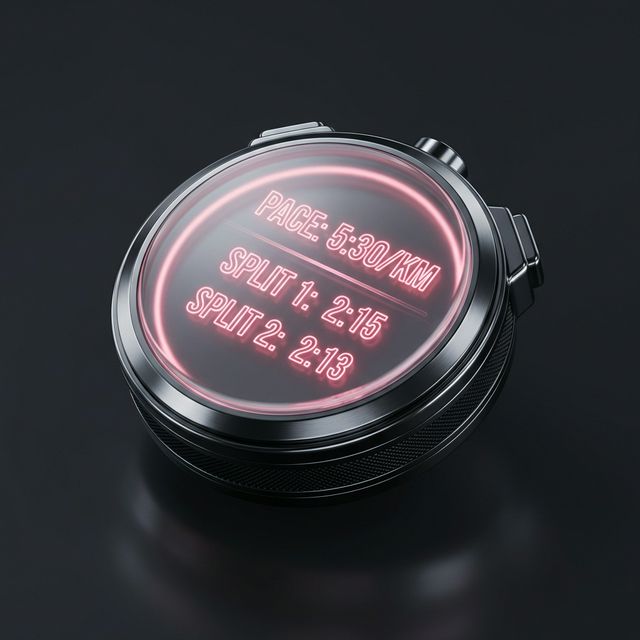
Scientific precision. How to run a 50 minutes 10K? Target pace: 5:00 min/km. Includes VO2 context, training focus, and nutrition strategy for competitive age-group 10k runners. Master your fitness with our 10k pace 50 min analytics.
Specialized Versions
Scientific Methodology & Accuracy
Our tools are built using peer-reviewed research and industry-standard formulas. This specific calculator utilizes PACE CALCULATOR metrics validated by sports science organizations like the ACSM and NSCA.
Gait analysis algorithms can now predict injury risk with high accuracy by identifying subtle asymmetries.
Performance Concept
"Our precision toolset is designed to navigate the complexities of human physiological limits."
Expert Protocol
"Fueling and hydration should be practiced during training, not just reserved for race day. Neglecting the mental health aspect of high-performance training is a recipe for long-term burnout."
Embed This Tool
<iframe src="https://winsportsus.com/tools/running/10k-pace-50-min" width="100%" height="800" frameborder="0" style="border-radius: 12px; box-shadow: 0 4px 6px rgba(0,0,0,0.1);"></iframe>
<div style="font-size: 12px; color: #888; margin-top: 8px; text-align: center;">Powered by <a href="https://winsportsus.com/tools/running/10k-pace-50-min" target="_blank" style="color: #F43F5E; text-decoration: none;">WinSportsLab</a> </div>
Want to add this calculator to your own website? Simply copy the code above and paste it into your HTML. It's free!
How to Use This Tool
- 1
Enter your goal race distance and target finish time into the 10K in 50 minutes: Pace, Training Plan & Race Strategy.
- 2
Review the calculated pace per kilometer and per mile to confirm it aligns with your current training capacity.
- 3
Cross-reference with your recent long run pace. If the target is 15+ sec/km faster, build gradually over 8–12 weeks.
- 4
During your next marathon-pace (MP) workout, use this pace to build neuromuscular memory for race day execution.
Key Terminology
Frequently Asked Questions
Q1 How does temperature affect my running pace?
Q2 What is the 10% rule for increasing mileage?
Q3 What is negative splitting and why does it matter?
Q4 How many weeks of training do I need for a marathon?
50 minutes 10K: Who Achieves This?
Performance Tier: Competitive Age-Group 10K Runners
Required Pace: 5.00 min/km
Physiological Demand
Training Blueprint
Recovery Protocol
Pre-Race Nutrition Strategy
Key Splits to Track
Key Performance Benchmarks
Scientific Verification
Use Cases / Example Scenarios
Confirm your target pace hasn't drifted during a 3-week taper by running a controlled 5km at goal pace with heart rate monitoring.
Use this tool to set your A/B/C goal paces and build a 3-scenario race day execution plan with per-km split cards.
Apply the output to find your lactate threshold pace and design progressive tempo sessions that build sustainable speed.
Input your goal finish time to calculate the exact fueling schedule (km 7, 14, 21, 28, 35) needed to avoid glycogen depletion.
When ambient temperature exceeds 15°C, use the calculated pace to apply a 60-sec/hour slowdown for realistic warm-weather goal-setting.
Related Tools
View All Tools →Half Marathon in 1h 45m for 50s Men: Pace & Age-Adjusted Plan
Physiology-backed Half Marathon pacing guide for male runners ages 50-59. Includes age-graded HR zones, injury risk profile, and a 1h 45m training blueprint.
Is a 135 lb Overhead Press Good for a 175 lb woman?
Find out what a 135 lb Overhead Press means for someone weighing 175 lbs. Includes strength level, percentile, and training tips.
Is a 135 lb Overhead Press Good for a 180 lb man?
Find out what a 135 lb Overhead Press means for someone weighing 180 lbs. Includes strength level, percentile, and training tips.
Is a 135 lb Overhead Press Good for a 180 lb woman?
Find out what a 135 lb Overhead Press means for someone weighing 180 lbs. Includes strength level, percentile, and training tips.